
Eat Me Please! Trump’s USFW “Save a Swamp, Sauté a Nutria”
EAT ME! Please? I’m invasive and delicious.
It’s National Invasive Species Awareness Week and this year, please consider the following slogan “Save a Swamp, Sauté a Nutria.” pic.twitter.com/3VAHmkYCwg
— U.S. Fish and Wildlife Service (@USFWS) February 24, 2025
Following a Minnesota Bill to Legalize Eating Beaver, the U.S. Fish and Wildlife Service (USFWS) is encouraging Americans to help control invasive nutria populations by eating them too.
As part of National Invasive Species Awareness Week (Feb. 24-28), the agency launched a campaign promoting nutria as a sustainable food source, using the slogan “Save a Swamp, Sauté a Nutria.”
The Nutria Invasion: A Destructive Pest
Nutria, semi-aquatic rodents native to South America, were first introduced to the United States in the 1930s for the fur trade. After hurricanes damaged breeding farms, the rodents escaped and quickly established themselves in coastal wetlands. With females averaging two litters per year, nutria populations exploded, wreaking havoc on fragile ecosystems. Each adult can consume its body weight in vegetation daily, contributing to erosion, habitat destruction, and disruption of flood patterns.
Despite decades of mitigation efforts, including a $6-per-tail bounty program in Louisiana, nutria populations remain a serious threat along the Gulf, Atlantic, and Pacific coasts. Wetland loss due to nutria damage has significantly declined, from 90,000 acres annually to around 5,500 acres, but wildlife officials warn that continued efforts are necessary to prevent a resurgence.
Eat Me: Nutria as a Food Source
To control the population, USFWS is urging Americans to embrace nutria as a menu item, noting that its meat is lean, mild, and tastes similar to rabbit. Officials suggest dishes like nutria gumbo, nutria-bacon rolls, and even nutria chop suey. The campaign is reminiscent of similar efforts worldwide, such as Germany’s push for Christmas nutria roasts.
While rodent meat might not be a staple in American kitchens, nutria has been consumed historically, with cookbooks like Nutria for Home Use (1963) featuring various recipes. However, proper preparation is key, as with any wild game, to avoid contamination.
Legal and Ethical Hunting
Regulations on hunting and trapping nutria vary by state. In Oregon, nutria are classified as unprotected nongame wildlife, meaning they can be trapped or shot without a license. However, local firearm discharge laws still apply. In California, nutria can be taken by any legal means but must not be confused with native species like beavers and muskrats. Trapping can be an effective method, with sweet potatoes and carrots suggested as bait, but officials warn that nutria can be aggressive when cornered.
Check Out & Buy Invasive Animal Trapping Supplies Online Here
Live Inventory Price Checker
| Montgomery Bridger #5 Coil Spring Trap | Sportsman’s Warehouse | | |
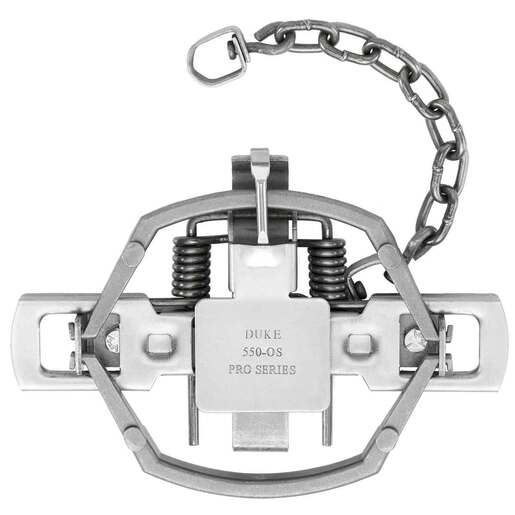
| Duke Pro Series 550 OS Coil Spring Trap | Sportsman’s Warehouse | | |
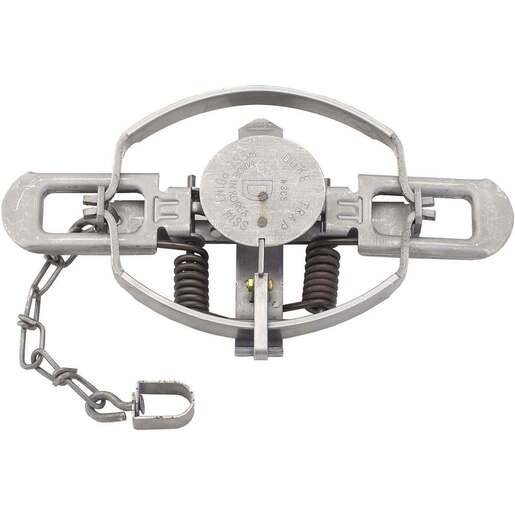
| Duke #3 Coil Spring Trap | Sportsman’s Warehouse | | |
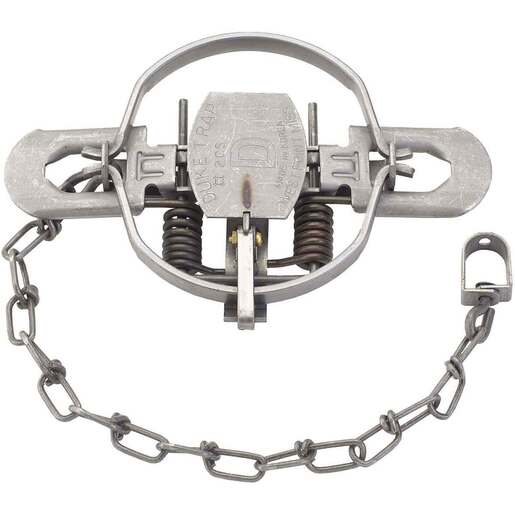
| Duke #2 Coil Spring Trap | Sportsman’s Warehouse | |

The Broader Fight Against Invasive Species
Nutria aren’t the only invaders on the menu. The USFWS campaign highlights other edible invasive species, such as northern snakehead fish, feral hogs, invasive carp, and green iguanas. Similar efforts have been made in Minnesota, where lawmakers are debating a bill to reverse a ban on eating nuisance beavers, another species causing environmental damage.
Public Reactions: Social Media and Skepticism
The campaign has sparked mixed reactions online. The USFWS’s social media team attempted to make the message lighthearted with posts like “EAT ME! Please? I’m invasive and delicious.” While some adventurous eaters and conservation-minded hunters support the idea, others expressed hesitation.
“I’m not gonna do that. Good luck though,” one user quipped. Another pointed out, “If it tastes like rabbit, I’d give it a shot.” Still a 3rd quiped, “Try Rats. The only protein cheaper than peanut butter.”
A Practical Solution or a Gimmick?
While nutria consumption is an interesting way to mitigate ecological damage, the long-term success of such campaigns remains uncertain. The cultural hurdle of eating large rodents could limit widespread adoption, but for hunters, homesteaders, and sustainability advocates, this might be an opportunity to turn a pest into a protein source.
For now, the question remains: Will Americans embrace nutria gumbo, or will this campaign simply fade into the government swamp?
Trump DHS Warning to Illegal Aliens to Self-Deport & Stay Out ~ VIDEO
Read MoreAmmoLand Shooting Sports News